Michael Kors is an American brand founded in 1981, whose products (bags, watches, clothing, shoes) are manufactured almost exclusively outside the United States. The production relies on a global network of subcontractors, managed by the parent company Capri Holdings. Understanding this supply chain allows for a better assessment of the quality, price, and ethical issues behind each MK-branded item.
Multi-sourcing Strategy at Capri Holdings
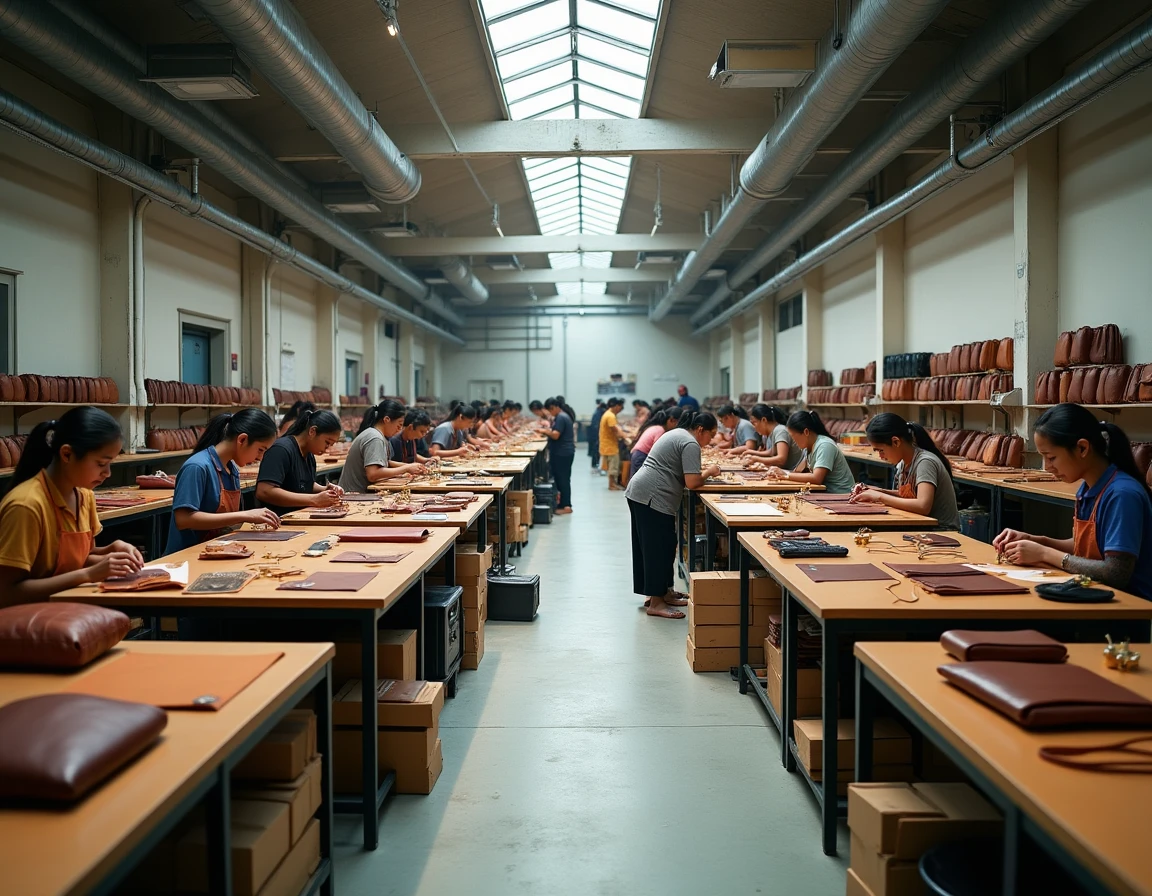
Michael Kors does not own any factories. Manufacturing is entrusted to industrial partners spread across several continents, following a model common in accessible luxury. The parent company, Capri Holdings, coordinates this network from New York.
Knowing precisely where Michael Kors products are made requires distinguishing each category of item, as production locations vary depending on the type of product and the materials used.
According to the Capri Holdings 2023 annual report, the majority of production volumes are concentrated in Asia, Latin America, and Eastern Europe. This choice of geographical diversification responds to a specific industrial logic: spreading the risks associated with trade tensions, stabilizing labor costs, and ensuring sufficient production capacity to supply thousands of points of sale worldwide.
China and Vietnam: the Two Major Manufacturing Hubs
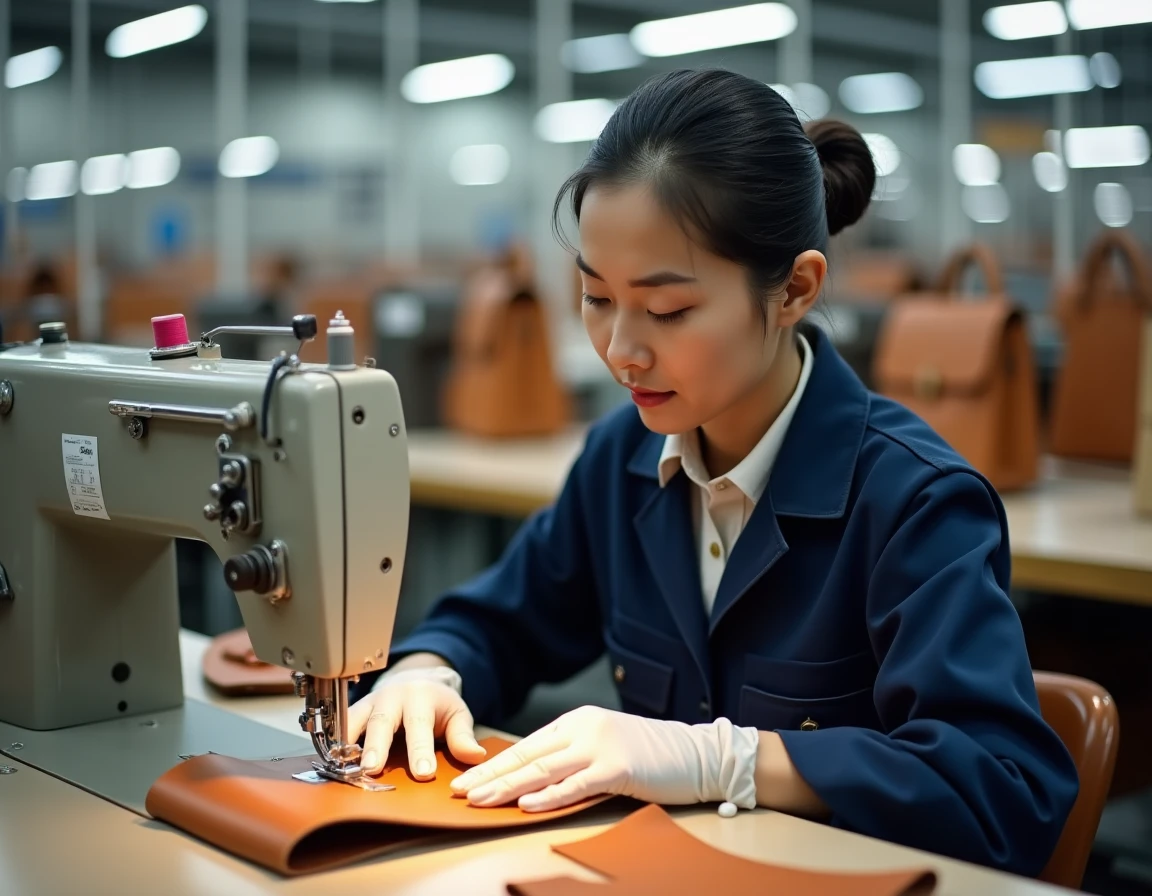
China has long been the main production country for Michael Kors bags and accessories. The “Made in China” labels remain common, especially on entry-level lines and outlet collections.
Vietnam has taken on an increasing role since 2020. Capri Holdings has voluntarily reduced the share of its production volumes in China in favor of Vietnam, Indonesia, and Cambodia. This shift is part of a multi-sourcing strategy aimed at limiting dependence on a single manufacturing country.
The reasons for this shift are multiple:
- Labor costs in Vietnam and Cambodia remain lower than those in coastal Chinese areas, where wages have increased in recent years.
- Geopolitical tensions between the United States and China (tariffs, trade restrictions) have pushed many brands to diversify their sources.
- The Uyghur Forced Labor Prevention Act (UFLPA), a recent U.S. law, imposes strict traceability of cotton origin, which has forced Capri Holdings to restructure part of its textile supply chain to avoid any exposure to forced labor in Xinjiang.
A Michael Kors bag purchased in-store may therefore bear the label “Made in Vietnam” or “Made in China” depending on the line and production period. Both origins coexist on the shelves.
Production in Italy: High-End Leather
Leather items positioned in the upper segment of the brand are made in Italy. This European production mainly concerns certain handbags, shoes, and high-quality leather accessories.
Italy brings recognized artisanal expertise in leatherworking, and the label “Made in Italy” serves as a quality marker to justify a higher price positioning. This choice allows Michael Kors to offer pieces that, in terms of perception, are closer to European luxury houses.
Eastern Europe also participates in the production of certain categories of items, although the volumes there are more modest than those entrusted to Asian factories.
Audits and Traceability: What Capri Holdings Really Controls
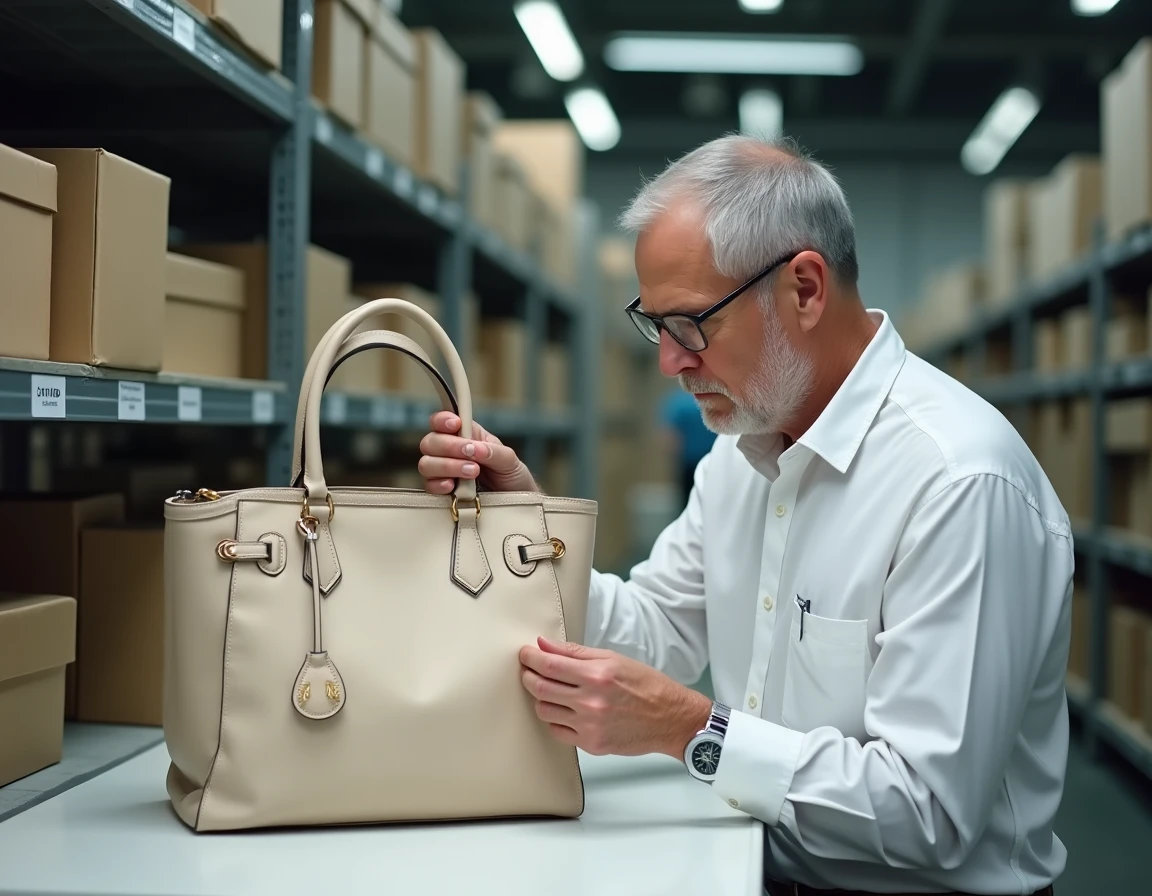
The issue of manufacturing is not limited to a flag on a label. Capri Holdings’ CSR reports specify that Michael Kors’ partner factories are subject to social and environmental audits aligned with SMETA/SEDEX standards.
These audits focus on several concrete criteria:
- Reducing excessive overtime at garment sites.
- Improving workplace safety conditions (ventilation, protective equipment, emergency exits).
- Traceability of raw material origins, particularly cotton, following the constraints imposed by the UFLPA.
This control framework does not mean that every factory is flawless. SMETA/SEDEX audits operate on a sampling basis and in cycles: a site may be compliant during one audit and show discrepancies a few months later. However, the brand has set explicit goals for improvement in working conditions, placing it in a continuous improvement approach rather than mere superficial compliance.
Reading a Michael Kors Product Label: Country of Manufacture and Quality
The geographical origin of a Michael Kors item gives an indication of its market segment, without constituting an absolute verdict on its quality. A bag made in Vietnam may use high-quality leather, just as a model produced in China may offer meticulous finishes.
The real criterion remains the product line. The “Collection” or “Bancroft” collections occupy the top tier with often European manufacturing. The “MICHAEL Michael Kors” lines, more accessible, predominantly come from Asia.
The “Made in” label on the inner tag indicates the country of final assembly. The raw materials (leather, textiles, hardware) may come from entirely different countries. A bag assembled in China may contain Italian leather, making the label reading partial if not complemented by an understanding of the overall supply chain.
The Michael Kors production network reflects standard practices in accessible luxury: a globalized manufacturing process, sites in Asia for volume, Italy for the prestige of leather, and increasing regulatory pressure that pushes the brand to trace its supplies more rigorously than it did ten years ago.