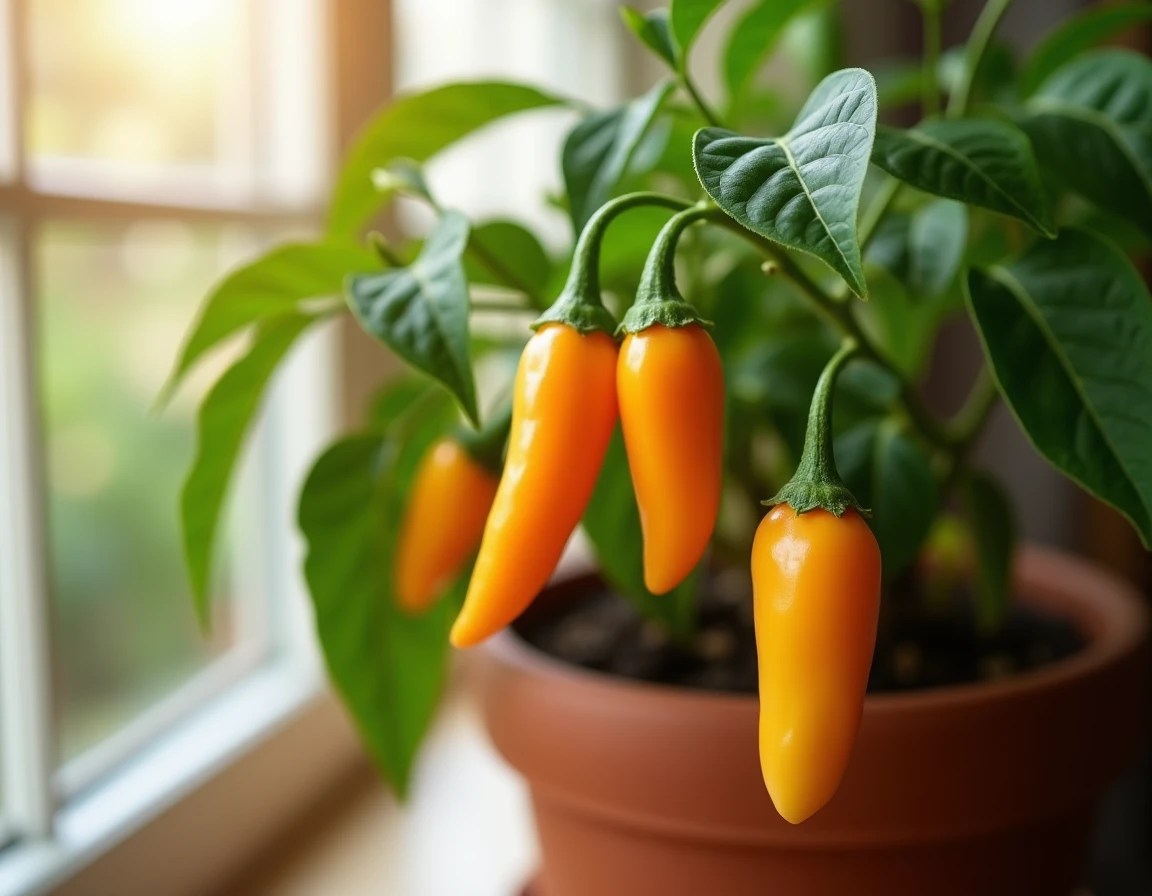
The aji amarillo is a pepper of the species Capsicum baccatum, native to Peru, where it remains one of the most commonly used condiments. Its hanging fruits, about ten centimeters long, change from green to bright orange when ripe, with moderate heat and a pronounced fruity aroma. Growing this variety in our latitudes requires some adjustments compared to a classic bell pepper, but the culinary results more than justify the effort.
Germination of aji amarillo: temperature and light above all
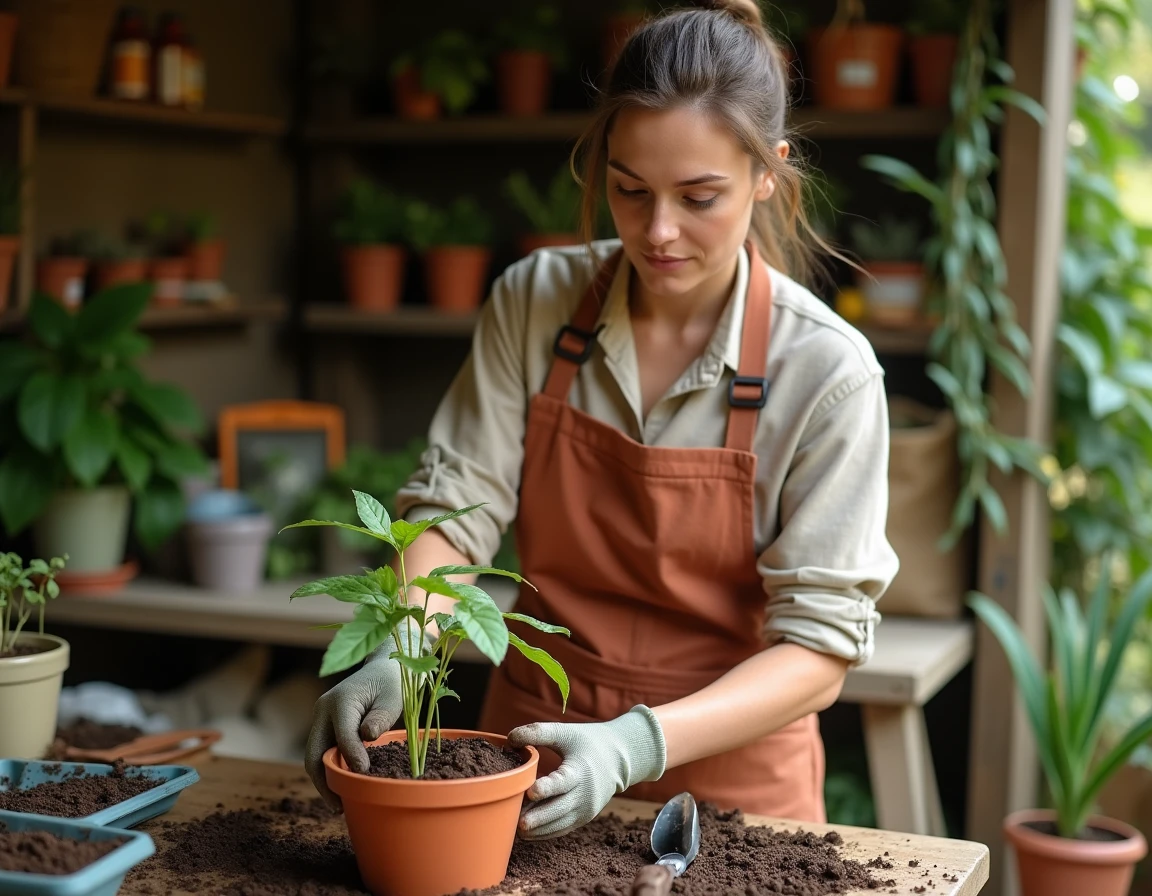
The aji amarillo seed germinates slowly. While a classic bell pepper sprouts in a week, a Capsicum baccatum can take two to three weeks, sometimes longer if conditions are not ideal.
The determining factor is the constant heat at the substrate level. A heating mat maintained around 25-28 °C significantly speeds up germination. Without this bottom heat, the seeds remain dormant or germinate very irregularly.
Sowing is done early, in March or early April under cover. The seedlings need light as soon as they emerge: if they stretch (thin stem, pale leaves), it means the lighting is insufficient.
A south-facing window may suffice, but supplemental lighting with a grow lamp during the short days of early spring can prevent this issue. Those who wish to delve deeper into each step can discover how to grow aji amarillo with 1 Blog 1 Day, which details the seed preparation, among other things.
Substrate and container for growing aji amarillo in pots
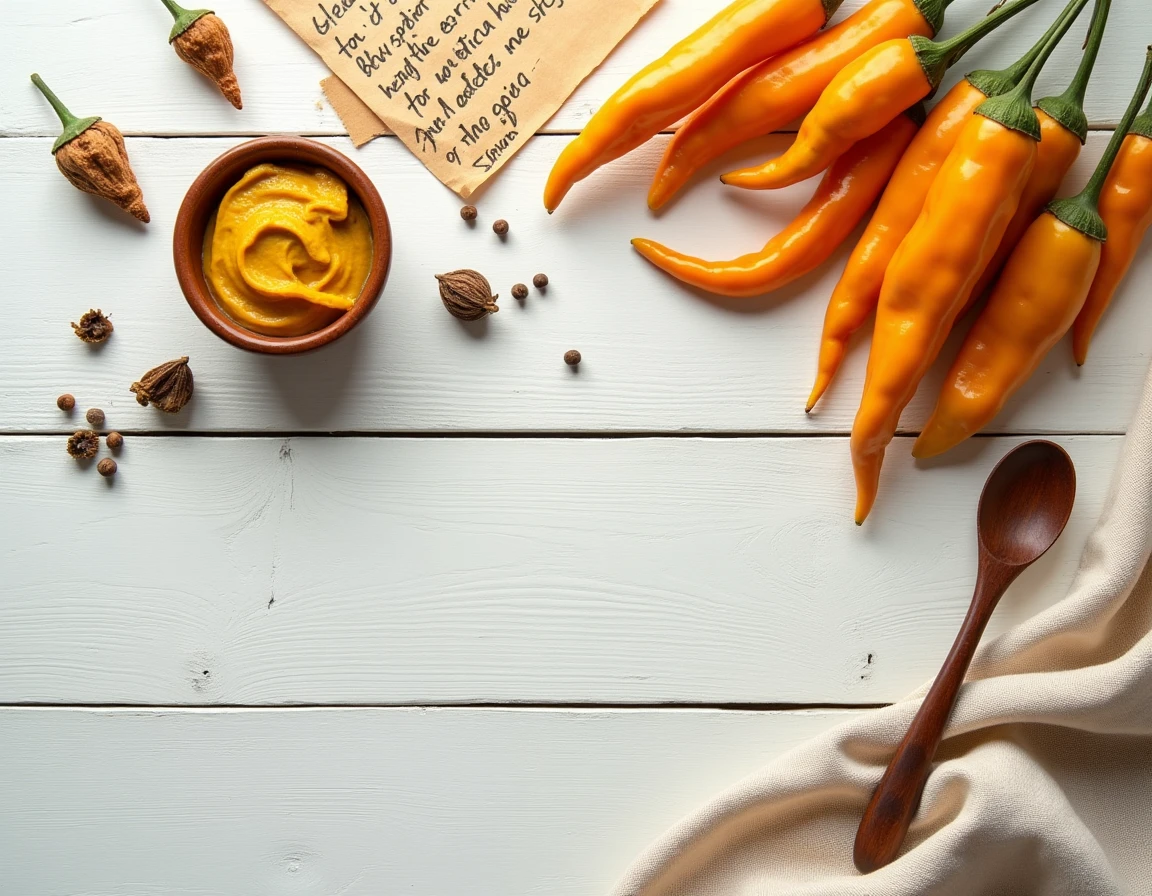
The aji amarillo develops a more sprawling root system than that of a cayenne pepper. In pots, it needs a generous volume to produce properly.
- A container of at least fifteen liters, ideally twenty, with wide drainage holes. A pot that is too small restricts the plant and limits fruiting.
- A draining substrate made of potting soil mixed with perlite or coarse sand (about a quarter of the volume). The Capsicum baccatum poorly tolerates excess stagnant moisture at the roots.
- A supply of mature compost during repotting, followed by regular fertilization with potash once flowering begins, to support fruit formation.
In open ground, well-worked, warmed, and organic matter-enriched soil is perfect, provided that drainage is ensured. A heavy, clayey soil without amendment quickly causes root problems.
Summer heat and shading: the trap of heatwaves
The aji amarillo is a tropical plant, and one might think it thrives in extreme heat. The reality is more nuanced.
Beyond 35 °C for several consecutive days, the plant experiences thermal stress that leads to a drop in flowers and a decrease in fruit set. Flowers fall off before being fertilized, significantly reducing the harvest. This phenomenon is documented by specialized producers, even for varieties known to be heat-resistant.
The solution is to install a light shading cloth (30 to 40% shading) during the hottest hours, and to space out watering. Instead of a large watering in the evening, two moderate applications (early morning and late afternoon) keep the substrate cool without waterlogging it.
Growing under greenhouse or tunnel: an asset in temperate climates
Under a small greenhouse or plastic tunnel, the growing season is extended by several weeks in both spring and autumn. Feedback from amateur market gardeners in temperate French climates shows a clear difference in the total number of fruits formed per plant compared to unprotected outdoor cultivation. Planting can start three to four weeks earlier, and the last fruits ripen well after the first chills of October.
However, be cautious about ventilation: a closed greenhouse in the middle of summer becomes an oven. Opening the sides or doors wide is essential to avoid the thermal stress mentioned earlier.
Harvesting and preserving aji amarillo
The harvest is done when the fruits reach their uniform orange color. A fruit that is still green or partially colored has not developed its full aromatic profile. The aji amarillo is distinguished by a fruity taste, slightly apricot-like, with heat that builds gradually without being aggressive.
Preservation is a strong point of this variety. Dried fruits retain their flavor for several months. Two common options:
- Air drying in a dry, ventilated place, threading the peppers onto a string. The result yields flexible peppers, easy to rehydrate for sauces.
- Freezing fresh fruits, whole or cut into pieces. This method better preserves the texture for direct use in cooking.
- Reducing to a paste (blended with a bit of oil and salt) that can be stored in the refrigerator for several weeks, ready to use for Peruvian recipes like causa or aji de gallina.
Each well-managed plant produces dozens of fruits throughout the season, providing a sufficient reserve for regular use in cooking throughout the winter.
The last point to keep in mind: the aji amarillo is a perennial plant in its native environment. In our latitudes, most gardeners treat it as an annual, but a plant brought indoors before the first frosts, pruned short, and kept in a bright place at moderate temperature can regrow the following season with earlier fruiting.