In the collective imagination, cremation often remains shrouded in mystery and assumptions. This ancestral funeral ritual, adopted across various cultures and eras, raises as many questions as it does fascination. From its environmental impact to its technical execution, along with the spiritual beliefs surrounding it, the cremation process holds aspects unknown to the general public. Modern technological advancements have transformed it into a more ecological and respectful practice, revealing surprising new realities that contrast with preconceived notions and traditional representations of this final stage of life.
cremation: does the body rise
Unknown Aspects of the Cremation Process
Cremation, an increasingly prevalent funeral practice, follows strict procedures and physical phenomena often overlooked by the general public. During the cremation: does the body rise, a surprising and lesser-known technical detail occurs. This reaction, which may seem unsettling, is actually just an effect of the intense heat produced by the crematory furnace.
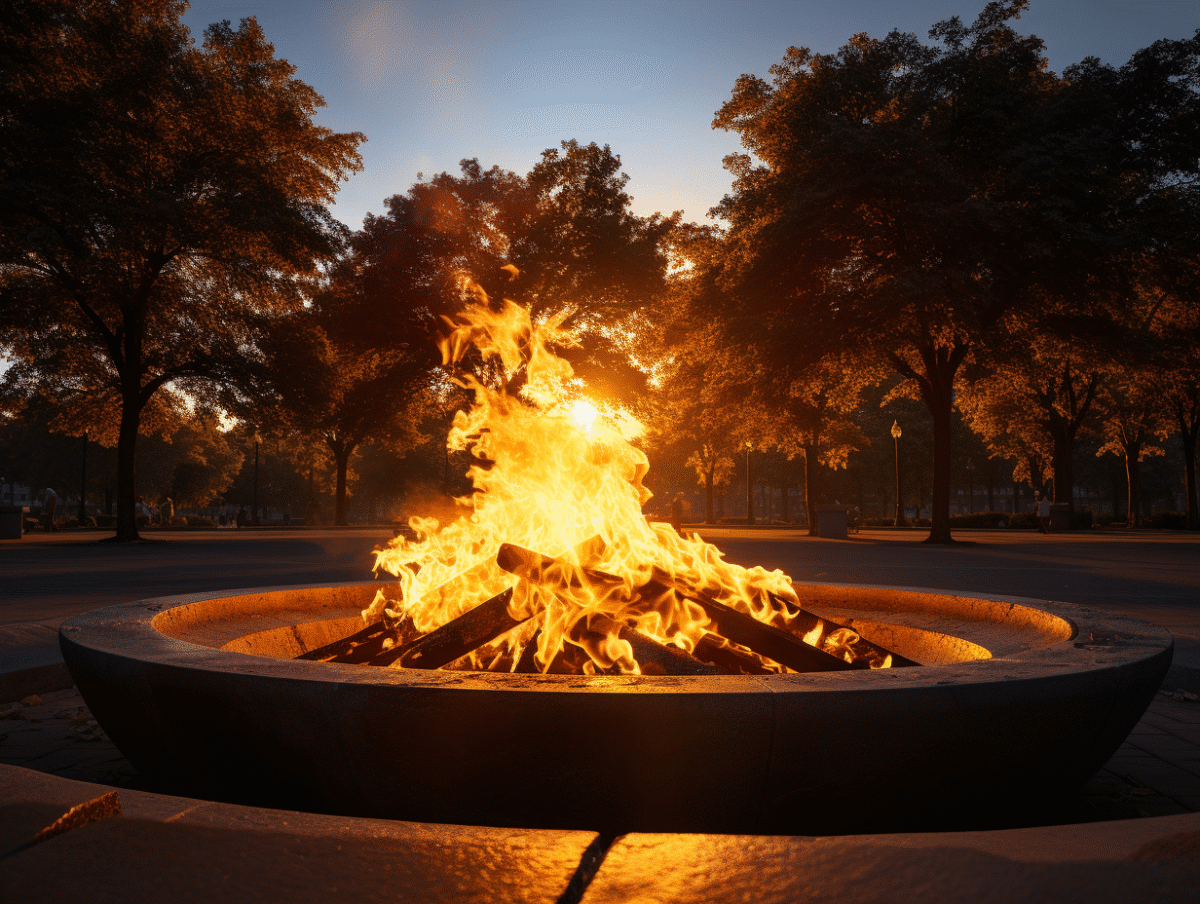
The latter, a key element of the crematorium, must reach a cremation temperature exceeding 1000 degrees Celsius to ensure the complete disintegration of the body. Adhering to this temperature is imperative for proper incineration, conforming not only to the expectations of funeral homes but also to established funeral concessions.
After combustion, the remains are not entirely reduced to ashes. A grinding of the bones is necessary, a fact often overlooked. This step, although brutal in its description, is carried out with the utmost delicacy, providing families with ashes ready to be collected in an urn.
The transformation of the body into ashes occurs within a strict legal and ethical framework, ensuring the dignity of the deceased at every stage of the process. The cremation site, far from being a mere funeral chamber, becomes a space imbued with respect where the history and presentation of the cemetery blend with the solemnity of the final farewell.

The Ethical and Practical Issues of Modern Cremation
The legal framework of cremation in France stipulates that each cremation must be carried out individually, an essential standard to ensure the traceability and dignity of the deceased. This legal requirement, far from being a mere formality, is the foundation that guarantees loved ones the certainty that the ashes they receive correspond to their dear one. In this space where mourning is intertwined with rigor, the urn becomes the tangible symbol of preserved memory, intended either to be handed over to relatives, to rest in a columbarium, or to be scattered in a memory garden, according to expressed wishes.
Cultural traditions greatly influence the perception and practice of cremation. They shape the rites and attitudes, both in mourning and in celebrating the life that has passed. The diversity of these traditions reflects the plurality of approaches to death and the choice of cremation, chosen for ecological, economic, or simplicity reasons. These cultural variations, far from being mere customs, testify to the richness and complexity of human relationships regarding the cycle of life.
In the cemeteries of the city, the evolution of funeral practices is evident in the developments: columbariums are expanding, memory gardens are multiplying, responding to a growing need for options for final rest. Cemeteries, far from being mere places of reflection, are becoming spaces where innovation harmonizes with respect for individual and collective wishes, places where the ethics of cremation materialize in marble and greenery.