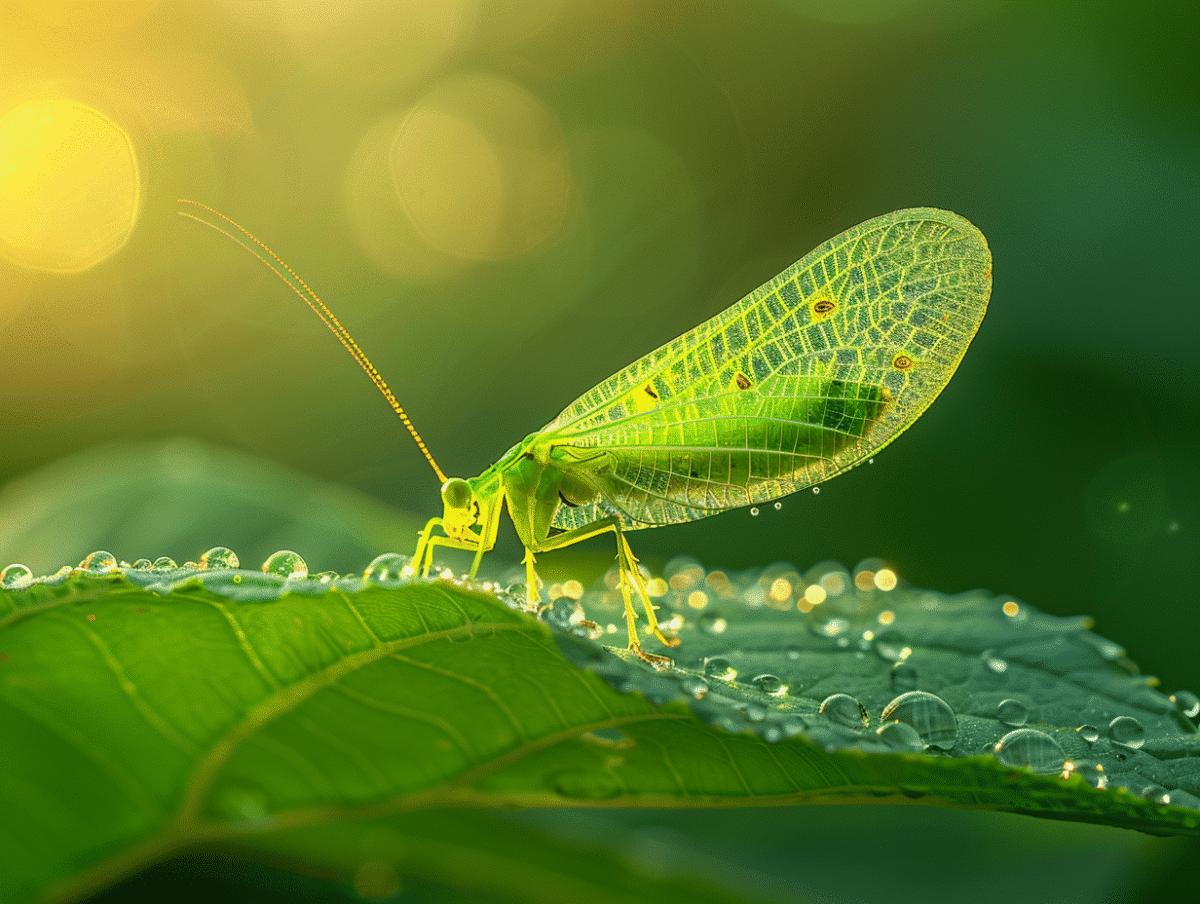
The European ecosystem is home to an unsuspected biodiversity, with a multitude of unknown insects that play essential roles in maintaining natural balance. These small beings, often overlooked or unloved, are key players in pollination, decomposition of organic matter, and controlling populations of other species. They are a fundamental part of the food chain, and their unique behaviors and adaptive capabilities are a source of fascination. Raising awareness of their ecological importance and protecting their habitat is vital to preserving the richness of European wildlife.
The Hidden Gems of European Entomology
More than one million insect species have been recorded on our continent, each with its own specifics and role in the survival of ecosystems. Among these often-ignored creatures, some stand out for their invaluable contribution to pollination and the maintenance of biodiversity. Take bees, for example; their tireless work is the cornerstone of our food production, an ecosystem service without which many plants and animals could not survive.
The European hornet, often feared for its sting, deserves special attention. Unlike its Asian cousin, it is a natural predator of many pests and plays a fundamental role in biological balance. Unfortunately, insect populations are declining, victims of global changes and human practices. The National Museum of Natural History studies these phenomena and emphasizes the importance of each species in communication and interaction within natural habitats.
The threats facing these animals are numerous: neonicotinoids, pesticides deadly to bees, climate change, and light pollution disrupt their living conditions. These disturbances affect their reproductive cycles and their ability to find food and shelter, leading to the collapse of certain populations. David Wagner, a researcher at the University of Connecticut, states that we are witnessing a nature under siege, where each loss represents a change in our natural heritage.
In the face of these challenges, awareness and action become crucial. From wetlands to ancient forests, each habitat is a refuge for these species that, although tiny, are gigantic in their contribution to our daily lives. Protecting social insects, true engineers of ecosystems, as well as solitary species, is essential not only for conserving biodiversity but also for all the vital functions they support.
Unique Behaviors and Adaptations
With remarkable resilience, the insects of our regions have developed astonishing survival strategies. Social insects, such as ants and termites, build complex structures that can house entire colonies. Their underground or aerial structures are masterpieces of architecture, optimized for ventilation, thermal regulation, and security. These insects, through their cooperative lifestyle, attest to the sophistication of intra-specific communication, a subject of in-depth study at the National Museum of Natural History.
In wetlands as well as in ancient forests, adaptation is key. Take dragonflies, masters of the air, which have adapted their flight to become incredible predators. Or ladybugs, whose diet based on aphids makes them indispensable for biological pest control. These behaviors testify to a successful evolutionary adaptation, allowing these species to play their roles in the grand theater of biodiversity.
In winter, the spectacle continues with survival strategies that often challenge our preconceived notions. Some insects enter diapause, a dormant state that allows them to withstand the cold. Others migrate to milder climates, like some migratory birds. And what about butterflies, whose life cycles are so closely linked to wild plants that they can become indicators of environmental health? These complex and varied mechanisms illustrate the richness of natural heritage and the challenges these species face in a constantly evolving world.