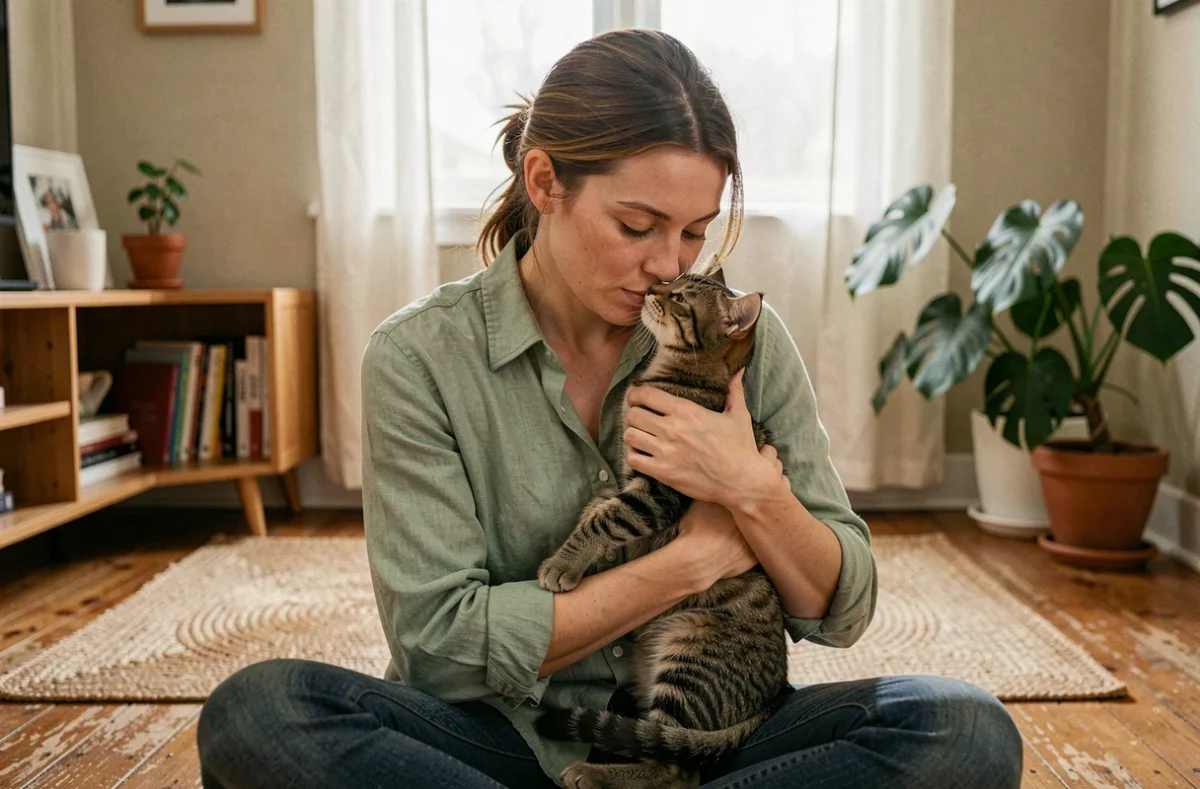
A cat rescued from a shelter often arrives with a vague past, vaccinations to verify, and sometimes a wary behavior during the first weeks. A puppy bought from a breeder comes with an updated health booklet, but there is no guarantee that the new home is ready to meet its real needs. In both cases, caring for a pet with kindness starts well before the first meal at home.
The French legal framework has indeed caught up with this reality. Since October 1, 2022, anyone acquiring a dog, cat, ferret, rabbit, or equine must sign a commitment and knowledge certificate, and then respect a seven-day reflection period before the transfer becomes effective. This obligation applies to both sales and donations.
Commitment Certificate and Reflection Period Before Adoption
This certificate is often underestimated. It is not just a simple administrative formality. The document requires the future owner to acknowledge in writing that they are aware of the physiological, behavioral, and medical needs of the species concerned.
The seven-day period following the signature prevents impulsive adoptions. In practical terms, one does not leave with the animal on the same day, whether from a shelter, pet store, or private individual. This time allows for checking that the housing is suitable, that the monthly budget (food, veterinary care, anti-parasitics) is realistic, and that the entire household agrees.
To delve deeper into the procedures related to adoption and animal welfare, one can consult https://www.amisdesbetes.info/, which gathers practical resources on the subject.
Another often overlooked point: identification is mandatory before any transfer. A dog must be identified before the age of four months, a cat before seven months. This identification (microchip or tattoo) links the animal to its owner in the national I-CAD file. Checking this point before signing anything avoids administrative and legal complications later.

Saturation of Shelters: Why Adopt an Animal with Awareness
French reception structures have been operating beyond their capacities for several years. Cats represent the vast majority of animals taken in, and many shelters are forced to refuse entries due to lack of available space.
Life changes (moving, separation, birth, job loss) are a major reason for abandonment. Adopting a pet with kindness means first assessing the stability of one’s own situation before committing.
Three concrete questions to ask before any adoption:
- Does my housing allow for the long-term accommodation of this species and breed (a cat lives an average of fifteen years, some dogs exceed twelve years)?
- Does my schedule allow enough daily presence for a social animal, or should I plan for regular care solutions?
- Does my budget cover regular veterinary expenses (annual vaccinations, anti-parasitics, sterilization) without financial strain?
If any of these answers are uncertain, postponing the adoption for a few months is nothing to be ashamed of. It is even the most considerate gesture.
Cat Sterilization: An Underestimated Preventive Act
Sterilization is not just a comfort choice. It is a structural lever against feline overpopulation that congests shelters. Knowing that cats represent the vast majority of animals taken in by these structures, sterilizing one’s cat directly reduces the pressure on shelters.
From an animal health perspective, early sterilization decreases the risks of mammary tumors in females and prostatic diseases in males. It also limits escapes, territorial fights, and indoor urine marking.
Opinions vary on the appropriate timing for the procedure among veterinarians, but most recommend performing it before the first litter to maximize health benefits. Cost remains a barrier for some owners, but associations offer financial assistance or negotiated rates with partner clinics.
Vaccination and Anti-Parasitics: A Schedule to Follow
An unvaccinated animal exposes the household to real health risks. For dogs, annual boosters against distemper, parvovirus, and leptospirosis remain fundamental. For cats, typhus and calicivirus are priorities.
Regularly treating against parasites (intestinal worms, fleas, ticks) complements prevention. After each walk, inspect the coat for ticks or foxtails, those small plant spikes that can migrate under the skin and cause abscesses.

Daily Nutrition and Hygiene for Dogs and Cats
Nutrition represents the most regular expense and the area where mistakes have the most impact. A dog fed with table scraps is more likely to develop digestive issues, obesity, and deficiencies. A cat fed exclusively on low-quality kibble risks urinary problems.
The basic rule: adapt the ration to the age, weight, and activity level of the animal. A growing puppy has different needs than a senior dog. An indoor cat consumes less than a cat that goes outside daily.
On the hygiene side, a few simple actions make a difference:
- Rinse the dog with clear water after each swim in the sea or river to avoid skin irritations
- Clean the eyes and ears weekly, especially in breeds with floppy ears (cocker spaniels, Cavalier King Charles)
- Keep water and food bowls clean by washing them daily to limit bacterial growth
- Regularly wash the cushions and blankets from the animal’s resting place
Oral hygiene remains the neglected aspect of regular care. Appropriate chew sticks or weekly brushing with a veterinary product limit tartar and gingival infections, which can lead to heart problems in older dogs.
Caring for one’s pet daily ultimately relies on regular actions rather than spectacular interventions. An annual veterinary check-up, appropriate nutrition, and a stable environment cover the essential needs. The rest is time spent together, and it costs nothing.