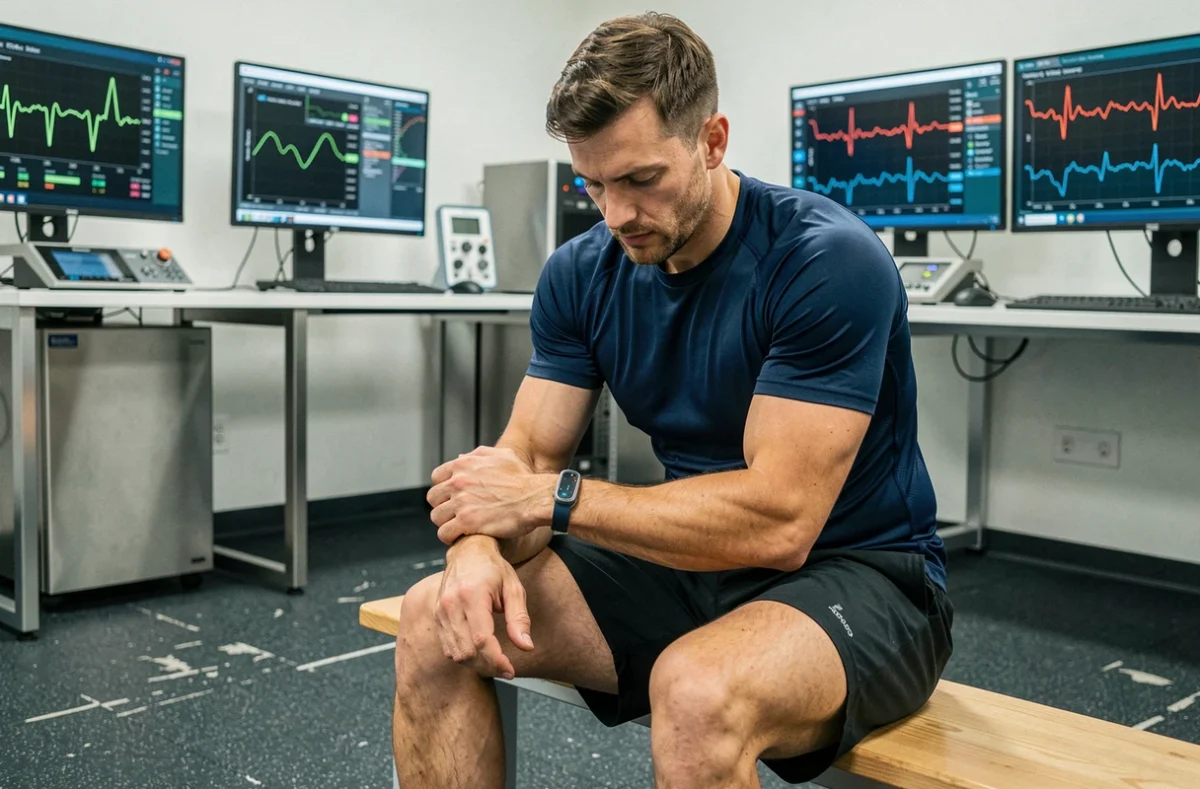
Sports performance is defined by an organism’s ability to produce maximum effort under given conditions, and then to recover in order to reproduce that effort. Recent work in exercise physiology, data analysis, and pharmacology is shifting the focus on three fronts: how athletes utilize oxygen, how data science guides training, and the regulatory limits imposed on substances meant to accelerate recovery.
Sensors and Training Data: What Physiology Gains from Continuous Monitoring
Performance analysis increasingly relies on wearable sensors measuring heart rate, oxygen saturation, joint mechanical load, and heart rate variability in real-time. These parameters, analyzed by algorithms, allow for the individualization of training cycles on a day-to-day basis.
The main interest lies in the early detection of overtraining. When heart rate variability drops over several consecutive days, the signal often precedes injury or underperformance. Professional teams use this data to adjust volume and intensity, rather than following a fixed plan over several weeks.
Specialized platforms like scienceosport.fr synthesize knowledge from applied sports research, linking physiology, biomechanics, and training methodology in a framework accessible to coaches and athletes.
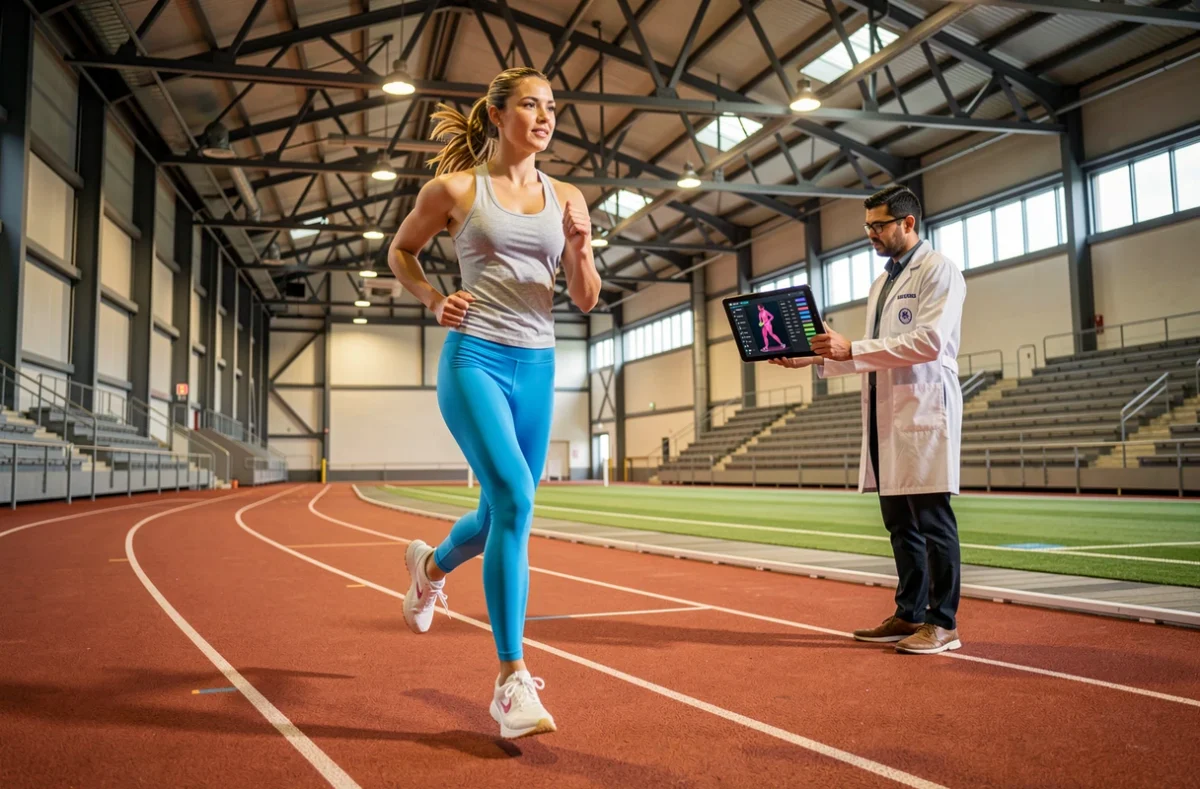
Artificial intelligence also plays a role after data collection. It identifies correlations between cumulative training load and the occurrence of muscle injuries, or between sleep quality and endurance capacity measured the next day. These correlations do not imply causation, but they guide daily tactical decisions.
Heat Acclimatization and Endurance Performance
Controlled exposure to heat, practiced over blocks of ten to fourteen days, induces measurable physiological adaptations: increased plasma volume, lower heart rate at equal effort, and improved thermoregulation through earlier and more diluted sweating.
These adaptations benefit endurance performance, even in temperate conditions. The body transports more oxygen per unit of time due to increased blood volume, resulting in a later lactate threshold.
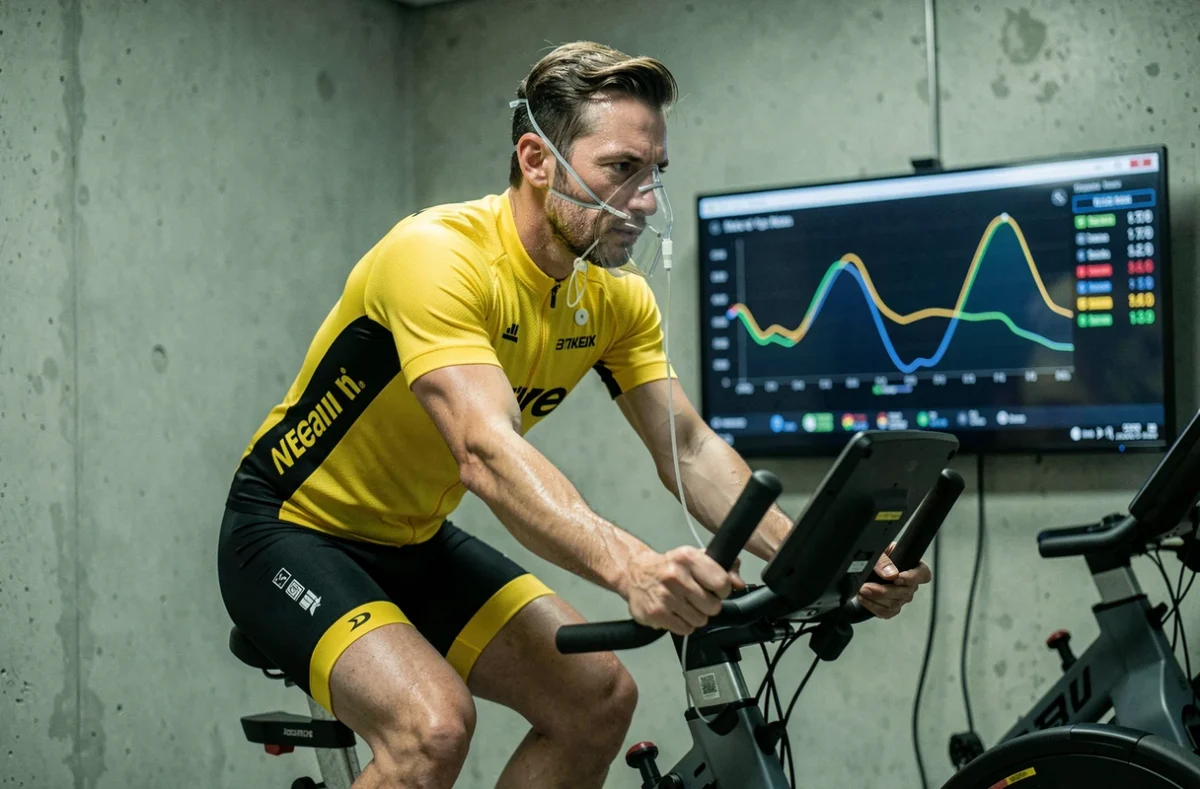
The most studied protocol combines moderate training sessions in a hot chamber (temperature maintained around 35 to 40 °C, depending on the protocols) with monitored hydration. Endurance athletes (cycling, running, triathlon) find an improvement lever that does not depend on supplements or expensive equipment.
- Heat acclimatization increases plasma volume, which improves oxygen transport to active muscles.
- Thermoregulation becomes more efficient: sweating starts earlier and core temperature rises more slowly.
- Gains persist for several weeks after the end of the protocol, provided regular training is maintained.
Peptides and Sports Recovery: Promises Against Anti-Doping Regulations
In recent years, peptides like BPC-157, ipamorelin, or CJC-1295 have circulated in sports circles under the label “recovery” or “regeneration.” The scientific reality is more sober: available results remain largely preclinical or based on indirect markers. A hormonal increase measured in the lab does not demonstrate an improvement in VO₂ max, nor a progression in strength, nor a faster recovery in healthy athletes.
The most significant regulatory evolution concerns the 2026 WADA Prohibited List. Since January 1, 2026, several growth hormone secretagogues, including ipamorelin, CJC-1295, sermorelin, and ibutamoren, are prohibited in and out of competition. BPC-157 falls under the category of prohibited unapproved substances.
This evolution requires systematic verification of the status of each product before any use, including when presented as therapeutic or sold by prescription. An athlete who consumes any of these peptides is subject to sanction, regardless of the declared intent.
- BPC-157 has been on the WADA list of unapproved substances since 2026, despite its image as a “natural” or “repairing” peptide.
- Semi-glutide and tirzepatide (new generation weight loss drugs) remain on WADA’s monitoring list, with no formal prohibition for now, but their use in athletes requires strict medical supervision.
- No secretagogue-type peptide has solid clinical evidence demonstrating performance gains in trained athletes.
Sleep and Recovery: The Least Technological and Most Underutilized Lever
Research in sports chronobiology confirms that sleep quality directly conditions muscle protein synthesis and the consolidation of motor learning. A sleep deficit, even modest over several nights, reduces effort tolerance and impairs decision-making in fatigue situations.
The most effective protocols do not rely on supplements but on behavioral adjustments: regular bedtime, elimination of blue light screens in the hour before sleep, and synchronization of intense training sessions with phases of maximum alertness (generally late morning or early afternoon).
This lever remains paradoxically the least invested by amateur athletes, even though it costs nothing and its effects on recovery and endurance performance are well-documented by sports physiology.
Recent advances are not limited to gadgets or molecules. Heat acclimatization, sensor monitoring, and adherence to sleep constitute three axes whose effectiveness is based on identified physiological mechanisms. The boundary between legitimate optimization and prohibited substances shifts each year with the update of the WADA list, requiring every athlete to verify the regulatory status of any product before using it.